PLA+ vs PETG for Replacement Knobs on Camping Stove Control Valves
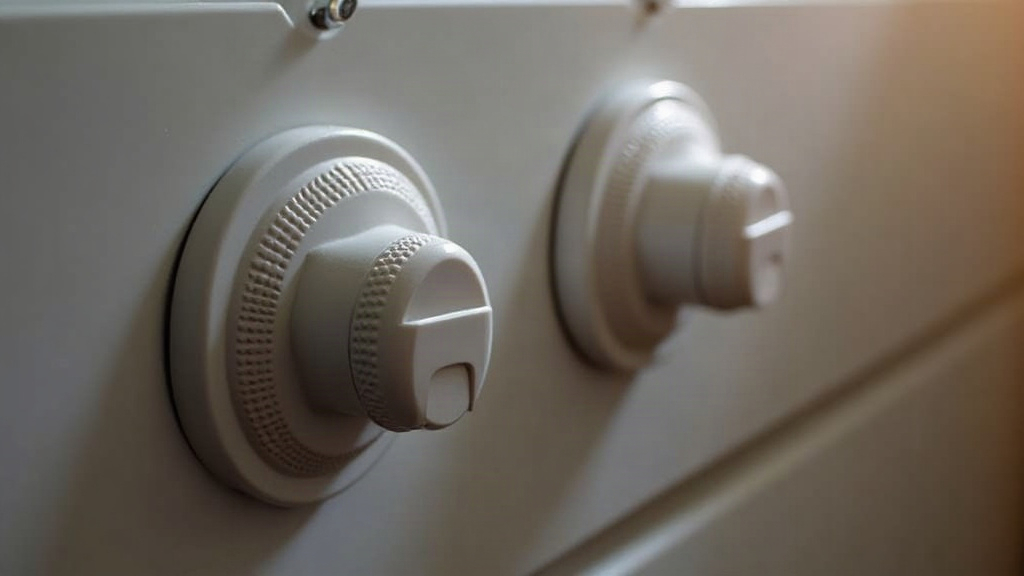
If you’ve cracked or lost a control knob on your camping stove, printing a replacement is cheap and quick. But the PLA+ vs PETG question matters more than most people assume. Short answer: PETG is the better choice for stove valve knobs, because it shrugs off radiant heat and the occasional stray hand brush near a flame far better than PLA+, which can go soft or warp if it sits too close to a lit burner. PLA+ still works for knobs mounted further away (electric igniters, low-heat zones), but anything near the burner head should get PETG.
Why Heat Resistance Is the Deciding Factor
Stove knobs never touch open flame directly, but they’re close enough to soak up radiant heat, especially on compact backpacking stoves where the valve sits just a couple inches from the burner.
- PLA+ heat deflection temperature: roughly 50-60°C (122-140°F). It starts going soft well before water even boils.
- PETG heat deflection temperature: roughly 70-80°C (158-176°F), sometimes higher if annealed.
On a two-burner propane camp stove, surface temps near the knobs can climb to 60-70°C during a long cooking session, more so in direct sun or a tight cook setup. That range sits right in PLA+‘s danger zone. PETG, meanwhile, barely notices.
PLA+ Pros and Cons for Stove Knobs
Pros:
- Prints easier, less warping, tighter dimensional accuracy for a snug knob-to-shaft fit
- Stiffer feel, which plenty of people like for that “premium” tactile click
- Cheap, widely available, easy to find on any spool rack
Cons:
- Softens under heat. Leave it on a hot stove in direct sun and it can loosen, deform, even melt a little
- Gets brittle over time with UV exposure, a real problem if your gear lives in a truck bed or garage shelf
- Not a great idea within 6 inches of a burner
PETG Pros and Cons for Stove Knobs
Pros:
- Clearly better heat tolerance in warm or sun-baked environments
- Tougher and more flexible, won’t shatter if it gets dropped or stepped on inside a tent
- Handles moisture and grease better, which matters when a knob gets splashed during cooking
Cons:
- A bit trickier to print. Expect more stringing unless retraction is dialed in
- Can feel slightly “gummy” if over-extruded, which messes with the knob’s grip texture
- Costs a little more than standard PLA+
Which One Should You Actually Print?
- Choose PETG if the knob sits a few inches from the burner, you camp somewhere hot, or the stove tends to bake in a car trunk between trips.
- Choose PLA+ only for knobs on electric ignition switches, fuel shut-off valves located well away from heat, or indoor low-heat appliances where fit precision beats thermal toughness.
- Skip both for any knob that touches flame directly or sits inside the burner housing. That job belongs to high-temp nylon or a metal replacement.
Practical Printing Tips
- Print with at least 3 perimeter walls and 25-40% infill so the knob survives repeated twisting.
- Test-fit the shaft hole before committing to a full batch. Valve shafts differ by brand (D-shaft, knurled, D-flat), and guessing wastes filament.
- With PETG, slow the first few layers to dodge elephant’s foot, it throws off the base fit more than people expect.
- If the fit’s a touch tight, sand the inner bore lightly instead of redesigning the whole part.
Conclusion
For camp stove control knobs, PETG wins on heat resistance and durability, making it the safer bet near burners. PLA+ still earns its keep for low-heat or indirect spots where easy printing matters more than thermal margin. Not sure how close your knob sits to the flame? Size up to PETG. A slightly fussier print beats a melted knob halfway through a camping trip.