Designing Buoyant Floating Turtle Basking Platforms That Resist Algae
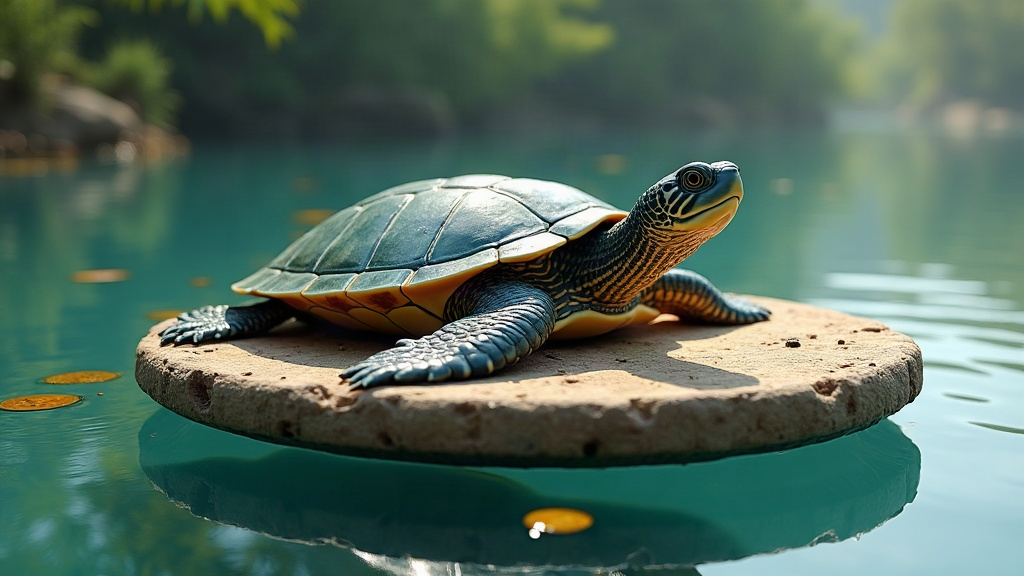
A well-designed floating turtle basking platform gives your pond or outdoor turtles a dry, sunlit place to warm up, but there’s a catch: slippery algae can turn that same helpful feature into a hazard fast. Here’s what actually works, the materials, shapes, and maintenance habits that keep a platform stable, buoyant, and algae-free year after year.
Why Basking Platforms Matter
Turtles can’t generate their own body heat. They’re ectotherms, meaning metabolism, digestion, and even immune function all depend on outside warmth. Deny an aquatic turtle, say a red-eared slider, a painted turtle, or a map turtle, consistent access to a dry basking spot, and you’ll eventually see shell rot, respiratory infections, or a turtle that just stops eating. In ponds where a fixed ramp isn’t practical, a floating platform solves the problem neatly: it rises and falls with the water level on its own.
Core Design Principles
1. Buoyancy That Holds Under Weight
The platform has to stay above water even when three or four turtles pile on at the same time.
- Go with closed-cell foam (EVA or marine-grade polyethylene) instead of open-cell foam. Open-cell soaks up water over months and gradually loses its lift.
- A rough rule of thumb: size the platform for about double your largest turtle’s weight. A 2 lb slider needs a platform that can float 4+ lbs without the edges dipping under.
- Skip pool noodles as your main flotation. They look like a cheap fix, but UV light breaks them down and they crack apart within a single season.
2. A Gentle, Non-Slip Entry Ramp
The ideal climb-on angle sits somewhere between 15 and 25 degrees off the water surface. Anything steeper and turtles just slide back in, burning energy and getting stressed out in the process.
- Texture matters more than people think: sanded wood, outdoor decking mesh, or aquarium gravel set into epoxy all give claws something to grip.
- Smooth plastic ramps are, hands down, the number one reason turtles abandon a platform entirely.
3. Anchoring Without Restricting Movement
Use a loose tether, not a rigid rod, so the platform can drift a bit with wind and current while staying within easy reach.
- A weighted anchor line with 1-2 feet of slack works well.
- Stay away from chains or stiff wires. A strong gust can flip a rigidly anchored platform right over.
Materials That Resist Algae Naturally
Algae is lazy, in a sense. It wants rough, porous, shaded, nutrient-rich surfaces to latch onto. Pick materials that deny it those conditions and you’ll cut your cleaning time way down.
- UV-stabilized HDPE plastic: smooth and non-porous, so algae has a much harder time gripping it than it does wood or foam.
- Marine-grade PVC decking: wipes clean in seconds, doesn’t absorb water, and shrugs off sun exposure.
- Dark-colored surfaces: sounds backwards, but darker platforms heat up faster in the sun, drying out between dips, which actually suppresses some algae growth.
- Avoid untreated wood and open-cell foam. Both turn into algae magnets within a couple of weeks because they never fully dry out.
Surface Coatings That Help
A thin layer of food-safe silicone sealant or pond-safe epoxy on any exposed foam edges blocks water absorption and leaves algae with fewer pores to colonize. Reapply once a year, and definitely after the platform comes out of winter storage.
Placement Strategy to Reduce Algae Growth
Where you put the thing matters almost as much as what it’s made of.
- Partial sun, not full shade. Full sun on still water nearby invites algae blooms, but some direct light helps dry the platform surface between basking sessions. It’s a balancing act.
- Keep it away from nutrient inflow. Leaf litter, fish food, and runoff all feed algae, so position the platform away from spots where that stuff collects.
- A little water movement goes a long way. A light current from a pond pump or aerator discourages algae from settling on the underside and support legs.
Maintenance Routine
Even the best-built platform still needs upkeep. There’s no getting around that.
- Weekly wipe-down with a stiff brush and plain pond water, no soap, no chemicals.
- Monthly deep clean: scrub the underside and the ramp’s texture, where algae likes to hide in the crevices.
- Seasonal inspection: check the foam core for waterlogging and reseal cracks before they get worse.
- Bring in algae-eating tankmates (snails or plecos, depending on your climate) to graze nearby surfaces naturally.
Quick DIY Build Overview
Want to build one yourself? You really only need:
- A sheet of closed-cell foam core, 1-2 inches thick
- HDPE plastic or marine-grade PVC decking for the top surface
- Textured non-slip strips, or epoxy embedded with grit, on the ramp
- A loose anchor line tied to a weighted stake or a brick
Get these four pieces right and you’ve covered the three things that actually matter: buoyancy, durability, and ease of cleaning.
Conclusion
A good floating turtle basking platform comes down to more than just staying afloat. It’s about picking algae-resistant materials, placing it thoughtfully, and sticking to a simple cleaning routine that keeps the surface dry and inviting. Nail the buoyancy, the texture, and the positioning, and your turtles will have a safe, sunny spot to bask for years.